culture
Atlanta's Food Culture Revolution: The Community and Movement Driving Change
From community gardens to innovative eateries, Atlanta’s evolving food scene is reshaped by grassroots efforts and local passion.
Listen in English · 5 min
How we reported this
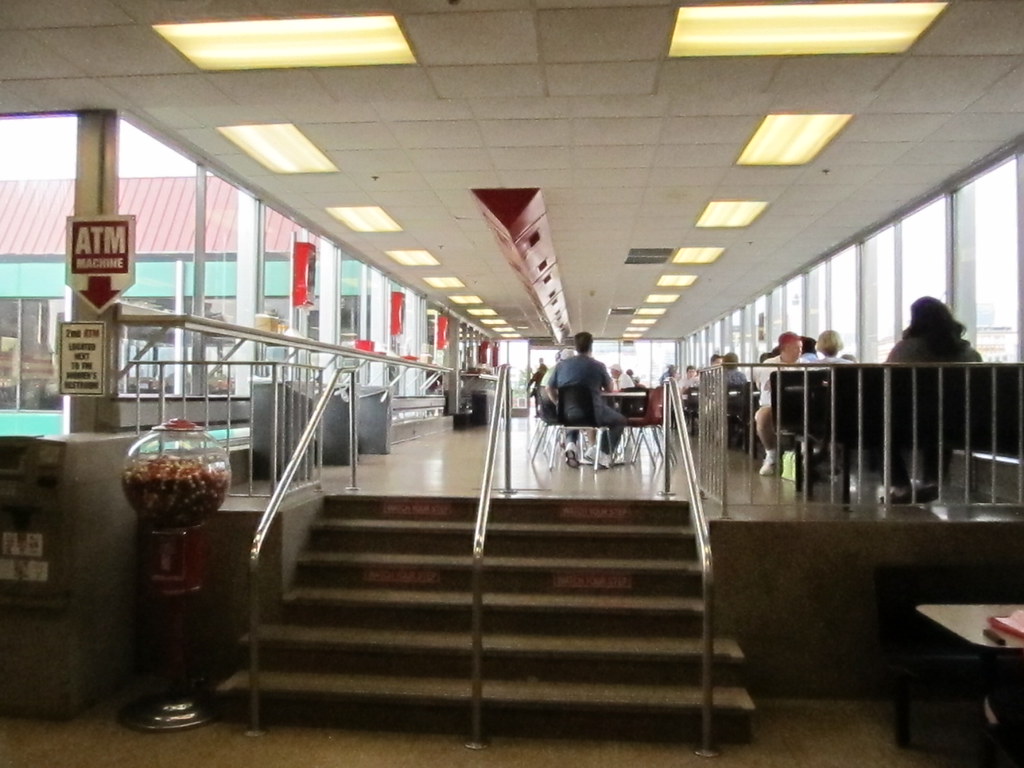
Atlanta’s food culture is undergoing a significant transformation, driven by a growing community of chefs, farmers, and activists dedicated to redefining what and how the city eats. This shift isn’t just about new dishes-it reflects a broader movement focused on sustainability, local sourcing, and cultural heritage that is reshaping the culinary landscape.
The timing of this change matters. In recent years, food security and equity have become central concerns in Atlanta, where nearly 15% of residents face food insecurity, according to the Feeding America 2026 report. Coupled with a rising consumer interest in plant-based diets and farm-to-table experiences, this has created fertile ground for communities to push back against industrial food systems. The COVID-19 pandemic further exposed vulnerabilities in supply chains, accelerating local efforts to reconnect food to the neighborhoods it serves.
Neighborhood Roots and Citywide Impact
Two pillars of this food culture shift are the Atlanta Food Policy Council and the Westside Urban Farm. The Atlanta Food Policy Council, based out of the Sweet Auburn Neighborhood, organizes residents, city officials, and local businesses to promote equitable access to fresh food. Their 2025 initiative aims to expand farmers’ markets by 20% within city limits, focusing on underserved neighborhoods like Mechanicsville and Pittsburgh.
Meanwhile, the Westside Urban Farm on Donnelly Avenue is a model of community engagement. Operating since 2018, the farm provides fresh produce and educational programs to the surrounding West End area. Their weekend farm stand, for example, offers locally grown greens, tomatoes, and herbs priced at $3 to $5 per bundle, making fresh food affordable for families. Their hands-on workshops have doubled attendance since launching in 2024, attracting new volunteers eager to learn about sustainable agriculture.
Evidence of a Growing Movement
Data from the Georgia Department of Agriculture shows that local farmers’ markets in Atlanta grew from 13 in 2018 to over 25 by mid-2026. Sales at these markets have increased by 35% in the past two years alone. Additionally, the Atlanta Food Tank conference, held annually since 2023, drew over 1,500 attendees in its most recent edition, including community activists, chefs, and policymakers focusing on food system reform.
Economic studies suggest a ripple effect as well: the average cost of a locally sourced meal at a participating Westside restaurant, such as The Farmer & The Larder on Boulevard, runs about $18, balancing affordability with sustainability. This pricing is a deliberate effort to make quality food accessible without privileging wealthier neighborhoods-a key point in the movement’s push for food justice.
The momentum also shows in youth engagement. Programs like the Atlanta Urban Agriculture and Culinary Training Center reported a 40% increase in enrollment this year. These programs equip local youth with skills to enter the food industry while fostering a deeper connection to Atlanta’s food heritage.
Community-driven efforts in food have immediate practical implications. Atlanta residents interested in supporting this cultural shift can visit the expanded farmers’ markets around Grant Park and Old Fourth Ward or participate in farm volunteer days at Westside Urban Farm. For aspiring chefs and activists, local non-profits such as CultivateATL offer workshops and networking opportunities, fueling continued growth in the sector.
As these initiatives gain traction, expect more neighborhood-based projects emphasizing equity and sustainability. The city’s next steps include integrating these programs into official planning and expanding funding, particularly ahead of the 2027 Atlanta Food Festival, which promises to showcase and celebrate this vibrant food culture movement to a broader audience.