lifestyle
Atlanta Locals Share Daily Garden Practices for July Conditions
Residents who tend their own yards every day follow zone-specific routines that match Atlanta's clay soil and summer demands.
How we reported this
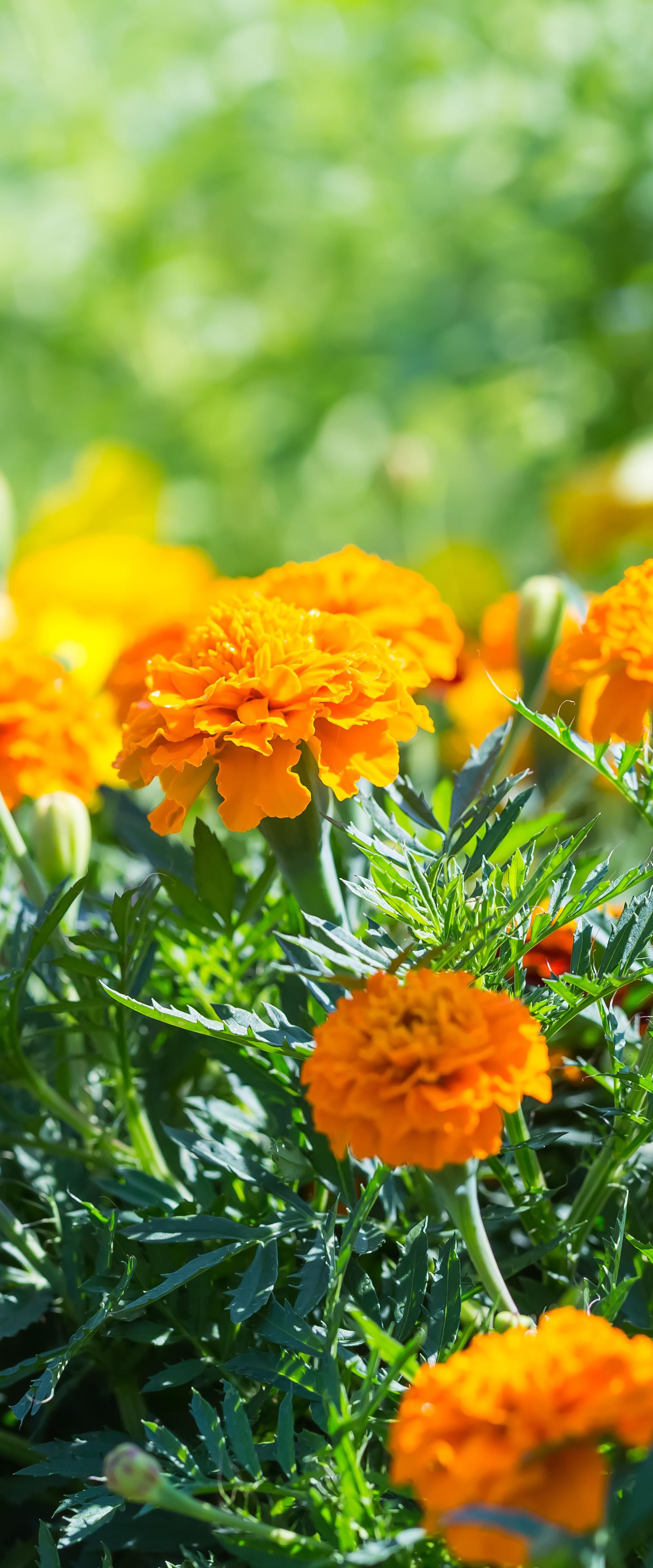
Atlanta sits in USDA Zone 7b-8a with clay-heavy soil that calls for native plants such as oakleaf hydrangea, yaupon holly, and muhly grass because these species use less water once established.
Plant and Lawn Routines for July
Locals who work their gardens daily keep St. Augustine and Bahia grass at a 3-4 inch mowing height during July. They also set out warm-season crops including tomatoes, peppers, okra, and sweet corn at this time of year. These steps align with the practices listed on the Old Farmer’s Almanac Atlanta page.
Watering and Soil Care Methods
Daily gardeners water plants deeply two to three times each week rather than light daily sprinkles, and they do this early in the morning while directing water at the soil instead of the leaves. To counter the clay soil, they mix in organic matter such as mushroom compost, shredded leaves, or manure, which improves moisture retention and nutrient availability according to guidance from AtlantaBG and Mountain High Mulch.
Container Garden Approaches
For pots and raised beds, residents apply the thriller, filler, spiller layout and use cactus-specific soil mixes for succulents and cacti so drainage stays adequate. Emory University garden tips and Home Depot expert notes both highlight these container techniques as reliable for Atlanta summers.
These habits come from repeated observation of what works in local yards rather than from any single season’s trend. Gardeners continue to adjust depth of watering and choice of organic amendments based on how plants respond week to week. The same sources also note that focusing on soil health reduces disease pressure and keeps established plants healthier through the hottest months without extra inputs.
Anyone starting or maintaining a garden can begin with the listed native plants and the July mowing height, then add organic matter to new beds before planting. Checking soil moisture a few inches down before watering remains the simplest daily check that experienced locals rely on. Over time these steps support steady growth while matching the city’s actual growing conditions.