news
Atlanta's Economy Holds Steady Despite Global Pressures Facing Peers
While international tensions and economic disruptions dominate headlines, Atlanta manages its economic health in ways that reflect both resilience and caution.
How we reported this
Atlanta’s economy is navigating a complex global economic environment marked by geopolitical conflicts and market uncertainties. Despite these challenges, the city’s economic activity remains relatively steady when compared to other global urban centers facing similar disruptions.
Global Uncertainty Impacts Local Economy
The ongoing conflict around the Strait of Hormuz and increasing tensions with Iran have rekindled fears of major disruptions to global trade routes, contributing to uncertainty in markets worldwide. While this geopolitical drama unfolds, cities like Atlanta, which serve as key domestic transportation and logistics hubs, must adjust to potential ripple effects in supply chains and commerce. The broader instability has added to an environment where businesses and investors weigh risk carefully, affecting economic decisions at multiple levels.
Given its status as a regional economic center, Atlanta’s ability to maintain steady activity amidst such global tensions becomes crucial, particularly as the city looks to sustain job growth and investment during uncertain times. These challenges underscore why analyzing Atlanta’s economic health is especially relevant now.
Local Dynamics in an International Context
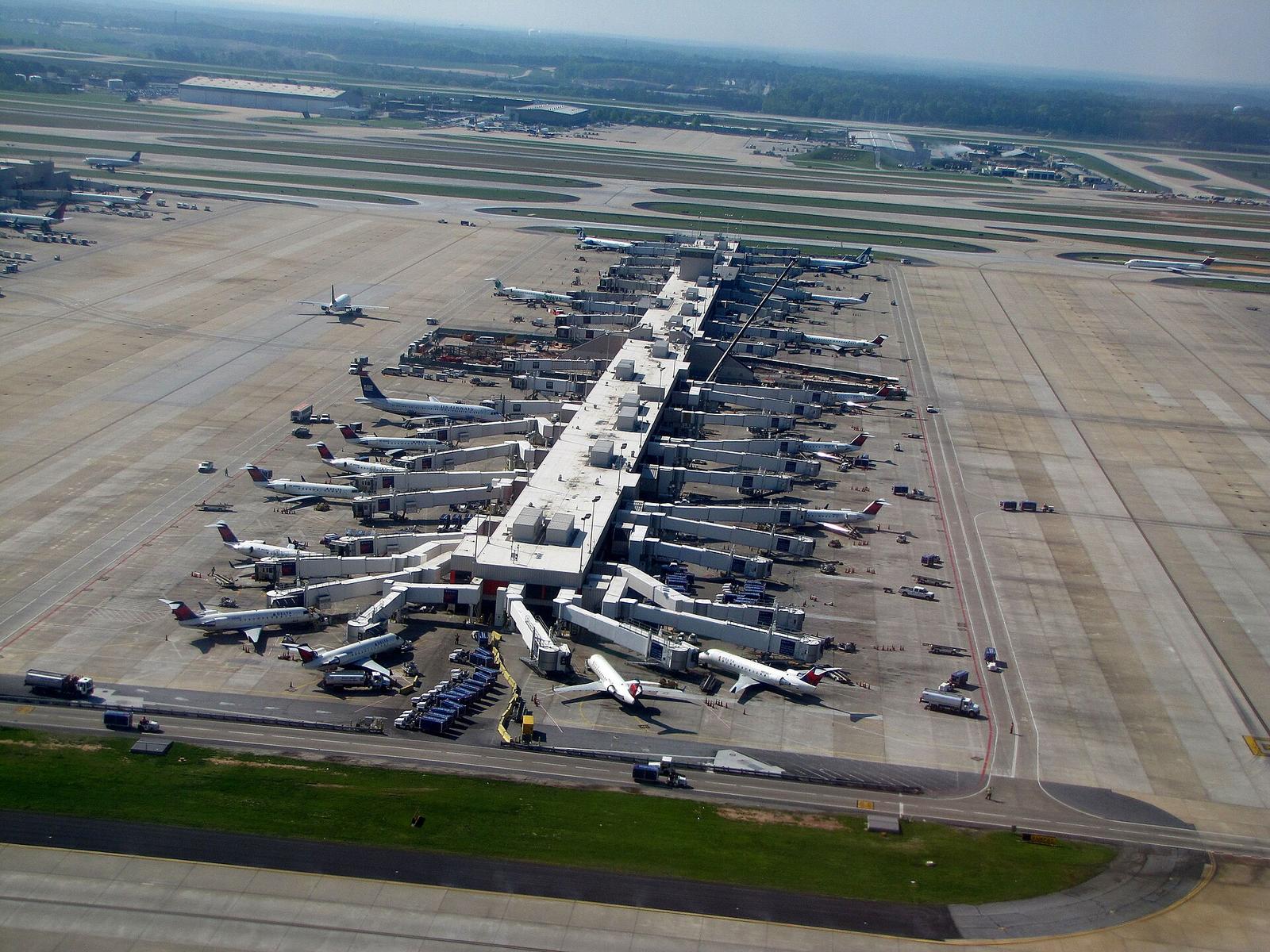
Atlanta’s economy remains anchored by strong sectors such as logistics, technology, and professional services. The city’s role as a transportation nexus is increasingly critical as global supply chain disruptions become more frequent. The Hartsfield-Jackson Atlanta International Airport continues to be one of the busiest passenger and cargo airports worldwide, supporting the steady flow of goods and people despite global headwinds.
While no exact figures or statistics are currently available from local sources to quantify Atlanta’s economic performance in the immediate term, the city’s infrastructure and business environment provide a buffer against some of the greatest external shocks. Compared to other global cities grappling with the fallout from international tensions and trade uncertainties, Atlanta’s diverse economic base helps it avoid overreliance on any single sector vulnerable to these disruptions.
Key programs aimed at promoting business resilience and workforce development have continued uninterrupted, underpinning the city’s relative stability. Meanwhile, the metropolitan area remains a magnet for corporate relocations and startups seeking a mix of affordability and access to national markets.
Though volatile global conditions have pressured economies from Kenya to Europe, Atlanta’s economy is distinguished by sturdy foundations in transportation, technology, and services that allow it to maintain continuity where others may face deeper shocks.
Outlook and Practical Considerations for Atlanta Residents and Businesses
Looking ahead, Atlanta will need to keep monitoring how international geopolitical risks evolve and affect global supply chains, especially given the city’s integral role in logistics and travel. Businesses should remain vigilant to potential disruptions but can take some confidence from the city’s structural advantages and ongoing support for economic adaptation.
For residents and city officials, continued investment in infrastructure and workforce training remains vital to bolster long-term resilience. With the global environment expected to stay unpredictable in the near future, local economic leaders may prioritize diversified growth strategies that can absorb shocks better and sustain overall vitality.
Atlanta’s experience amid these global challenges illustrates both the pressures facing major metropolitan economies today and the ways a city can leverage its local assets to mitigate risks and maintain momentum.