news
Atlanta Traffic Data Shows 74 Hours Lost Yearly to Congestion
Figures on commute times, transit use and rush-hour windows outline the scale of delays across the region's major corridors.
How we reported this
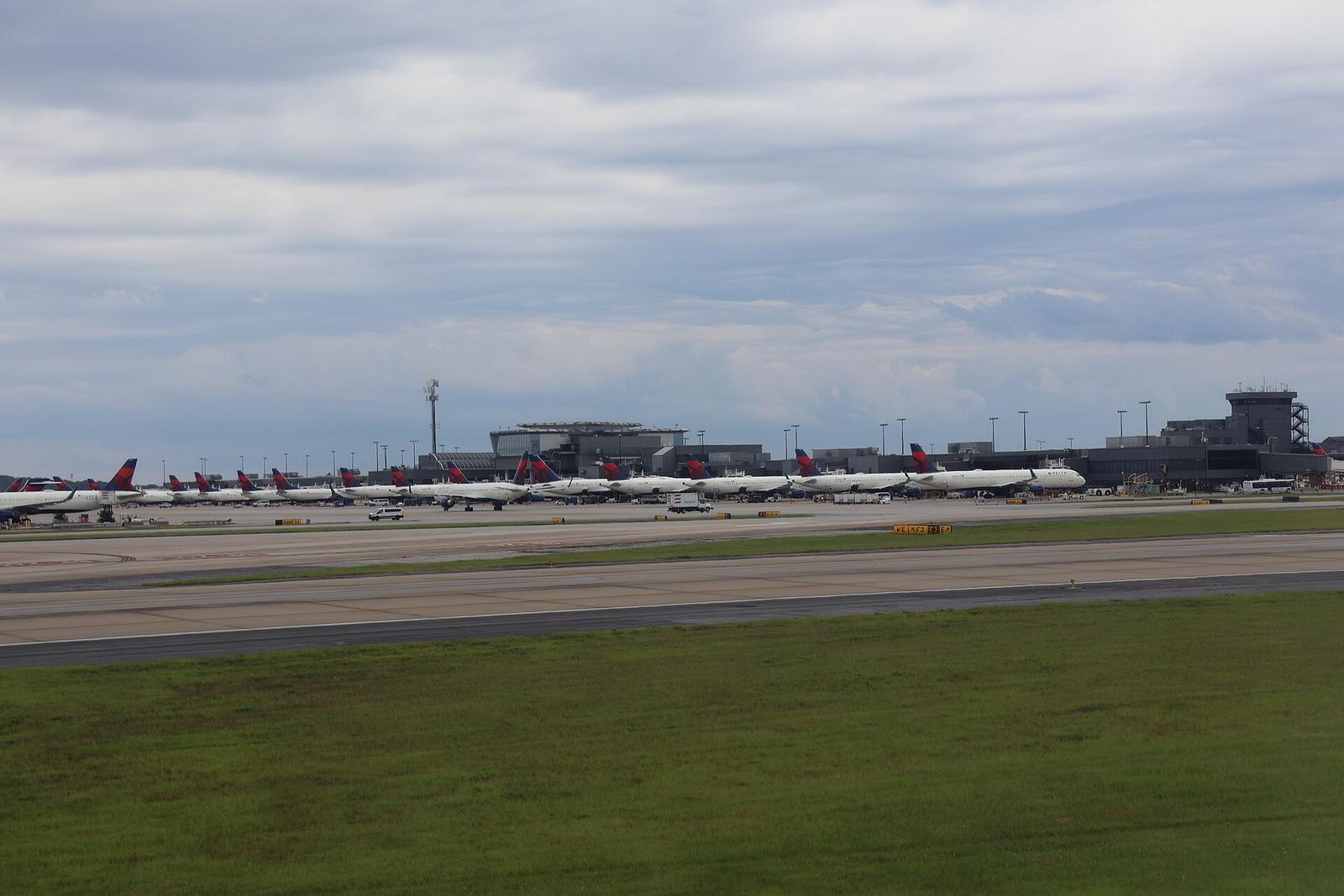
Atlanta ranks as the city with the worst traffic in the United States, where commuters spend approximately 74 hours per year stuck in congestion, with only 4.5% of workers using transit as of 2022.
Commute Time and Transit Share
The 74-hour annual figure measures time spent in congestion for the average driver. The same dataset records transit ridership at 4.5% of workers in 2022. These numbers describe daily conditions on the road network and the share of trips handled by public options.
Bottlenecks and Peak Periods
Major traffic bottlenecks include the Downtown Connector (I-75/I-85), Spaghetti Junction, I-285 North, and GA-400. Rush hours typically occur from 6:30-9:30 a.m. and 3:30-7:00 p.m. on weekdays. These corridors and time windows concentrate the reported delays.
Transit Network Details
The Metropolitan Atlanta Rapid Transit Authority operates the region's primary public transit system, including four rail lines (Red, Gold, Blue, Green) and bus services. The Red and Gold lines directly connect Hartsfield-Jackson Airport to downtown. Hartsfield-Jackson Atlanta International Airport is the world's busiest airport and a major global freight and passenger hub, featuring significant traffic backups at Domestic Terminal entrances that can be mitigated by using MARTA rail.
Agency Consolidation
Following the 2026 passage of House Bill 297, the Georgia Regional Transportation Authority and Atlanta-region Transit Link Authority were consolidated into a new agency named the Georgia Transportation Efficiency Authority. The change places prior regional planning functions under a single authority.
Drivers seeking to avoid terminal backups at the airport can board MARTA rail at the station serving Hartsfield-Jackson. The Red and Gold lines provide a direct route to downtown stops without entering the vehicle queue at the Domestic Terminal.