Politics
Atlanta Updates Zoning Code to Match Charlotte, Nashville Standards
The updated zoning code will affect how Atlanta residents access housing, retail, and public spaces compared to cities like Charlotte and Nashville.
How we reported this
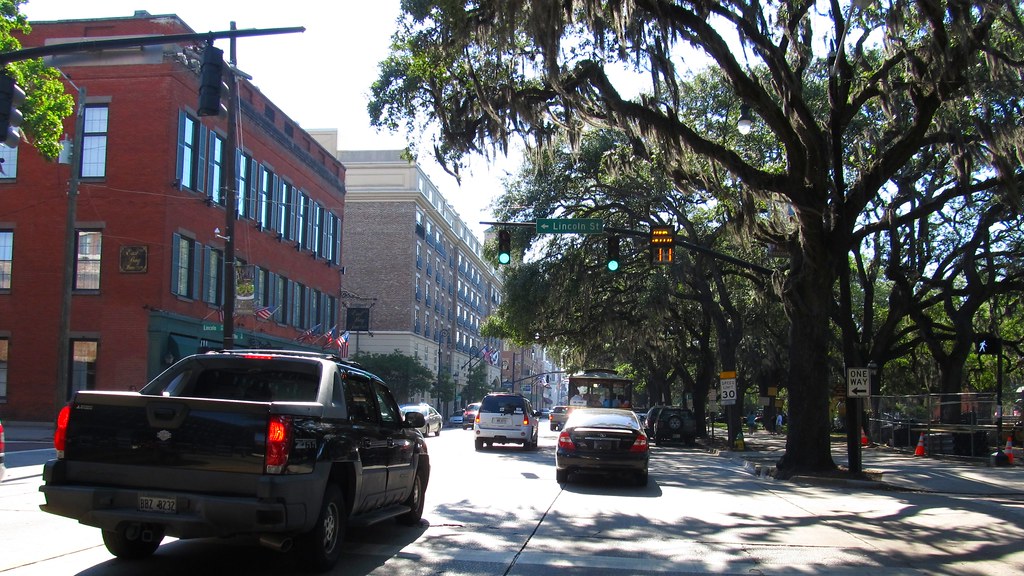
Atlanta city officials recently approved comprehensive updates to the city's zoning code, marking a significant change for land use regulation and development practices. These changes impact residential density, mixed-use developments, and commercial zoning, influencing where and how residents can live, shop, and access amenities.
The update arrives amid growing housing demand and urban growth challenges. Atlanta’s population has increased by nearly 12% over the past five years, according to the U.S. Census Bureau, intensifying pressures on affordable housing and transportation infrastructure. Local authorities say the timing is critical to better align land use with growth patterns, improve walkability, and support transit-oriented development.
What This Means for Atlanta Residents
The revised zoning code broadens residential density allowances in designated corridors, allowing up to 10-12 units per acre in targeted neighborhoods, a notable increase from previous limits of 6-8 units. This change is expected to enable more multifamily housing options near major transit routes such as MARTA rail stations, potentially improving access to affordable housing for residents reliant on public transportation.
The update also permits more mixed-use buildings combining retail and residential uses, particularly in commercial districts along corridors like Buford Highway and Metropolitan Parkway. Local economic development officials anticipate this could encourage neighborhood revitalization by attracting small businesses and creating walkable retail hubs, reducing travel times for daily errands.
How Atlanta Compares Regionally
In comparison, Charlotte's zoning code allows slightly higher residential density in similar corridors, with up to 15 units per acre in transit overlay zones, reflecting its aggressive push for dense housing near light rail stops. Nashville’s code also recently expanded mixed-use allowances, though Atlanta’s approach incorporates more extensive public input and phased compliance timelines.
Data from the Georgia Department of Community Affairs highlights that Atlanta allocated approximately $5 million in the current fiscal year to support implementation, including training for planners and outreach to developers and residents. This compares with Charlotte’s $7 million zoning modernization budget in 2025 and Nashville’s $4.2 million last year.
Overall, Atlanta’s updated zoning aims to balance increased density and development flexibility with infrastructure capacity and community concerns, paralleling trends in peer metropolitan areas but tailored to local priorities.
City planners have set a rollout schedule expecting full enforcement of the updated code by January 2027. They plan to monitor development permit applications and public feedback closely, with plans to adjust policies based on outcomes related to housing affordability and commercial growth impacts. Residents will have avenues to raise concerns through community boards and public meetings during the transition period.
Local advocates stress the importance of evaluating real effects on neighborhoods over the coming months, especially in historically underserved areas where zoning changes could reshape economic opportunities and living conditions.