Property
How Much Rent Is Too Much? The 30% Rule in Practice in Atlanta
A surge in Atlanta rents has forced many residents to test the old guideline: don’t spend more than 30% of your income on housing.
3 min read
Property
A surge in Atlanta rents has forced many residents to test the old guideline: don’t spend more than 30% of your income on housing.
3 min read

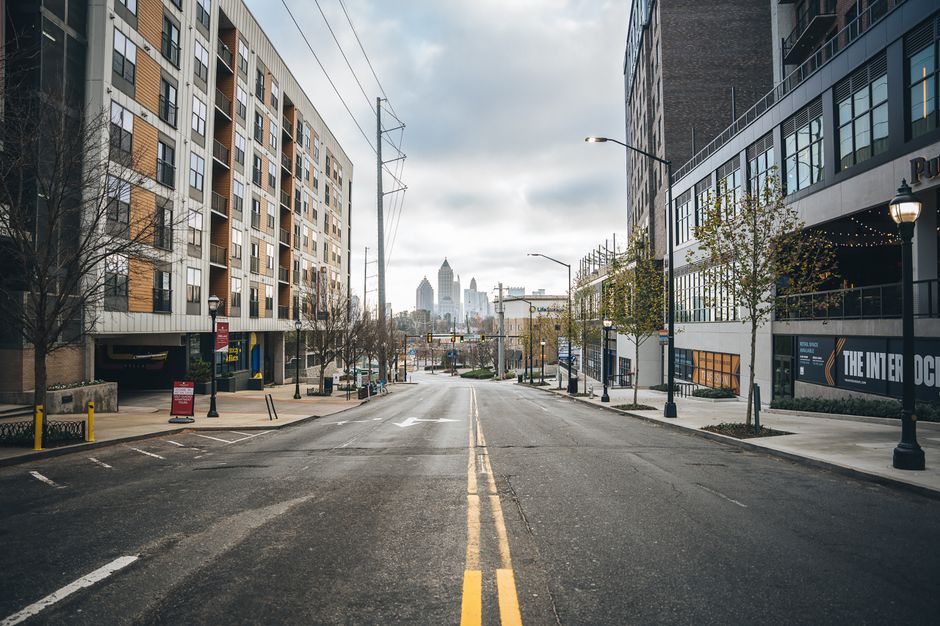
For renters in Atlanta, the math is getting tighter. The median rent for a one-bedroom apartment in Midtown hit $1,690 this June, according to Zillow data, but the city’s median household income still hovers around $74,000—a squeeze that has left thousands devoting ever-larger slices of their paychecks to rent.
The question of affordability isn’t just academic. In the wake of record migration and inflation-driven price hikes, many Atlantans are reassessing what it means to be rent-burdened—and whether the traditional 30% rule still draws an accurate line between manageable and risky spending. With more than 60% of Atlantans now renting, according to the Atlanta Regional Commission, the standard is being tested in real-time across the city.
On Ponce de Leon Avenue, nine-year resident Samantha Parker said she watched her rent at the Briarcliff Summit jump 19% in just two lease terms. Meanwhile, at Modera Reynoldstown—a popular complex just east of the BeltLine—a standard two-bedroom now rents for $2,490 a month. "It's a different ballgame now," said Steven Taylor, manager at HomePlace Realty on Peachtree Street. "People looking in Inman Park, even with good jobs, are struggling to stay under the 30% target." For many, this means cutting back on essentials or dipping into savings to keep pace.
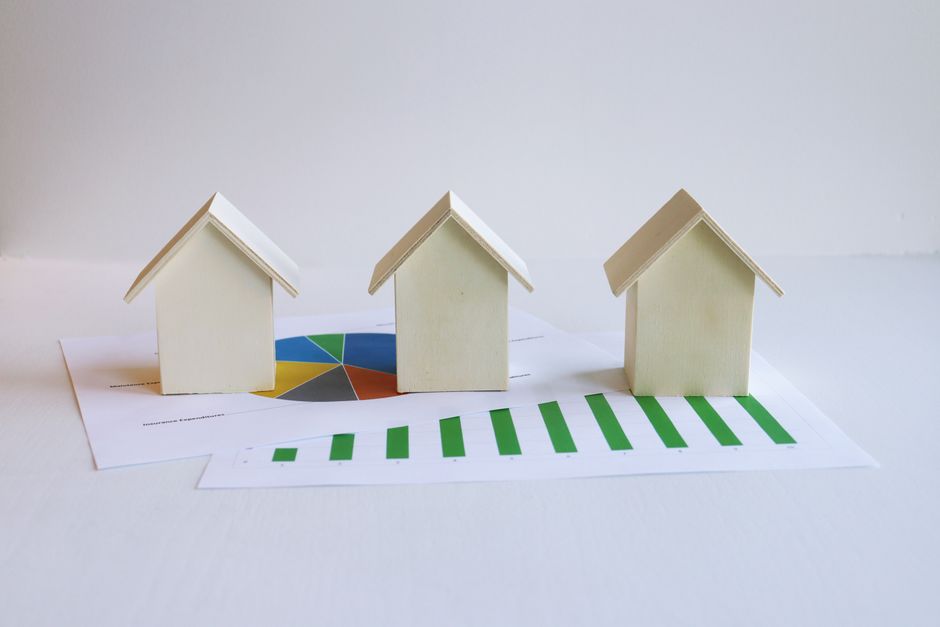
According to the U.S. Department of Housing and Urban Development (HUD), a household paying more than 30% of its income on rent is considered ‘cost-burdened.’ Yet new figures from Apartment List put Atlanta’s average renter spending nearly 34% of pre-tax income on housing this year—the highest since 2020. Neighborhood disparities also loom large. In West End, typical monthly rent is about $1,350, consuming just under 29% of the median local wage. But prices in Piedmont Heights routinely blow past $2,000. The Atlanta BeltLine Partnership noted that waitlists for its affordable housing programs have tripled since 2022.
With more than 3,200 new apartments coming online along Memorial Drive by year’s end, some analysts hope supply could ease upward pressure. But for house-hunters struggling to save for a down payment, the rent-vs-buy equation remains brutal. Local nonprofit HouseATL recommends that renters facing renewal crunch the numbers using their actual take-home pay instead of pre-tax income and seek out city housing counselors for help identifying subsidy programs. The city’s official Renters Resource Program on Trinity Avenue now offers free consultations and workshops every Tuesday.
For those whose rent is climbing above the 30% threshold, experts say it’s time to proactively negotiate with landlords, explore roommate arrangements, or research programs like Invest Atlanta’s down payment assistance initiative. The rule may be simple—but in Atlanta’s ultra-competitive market, every extra dollar counts.
Property
Property
Property
Property
About this article
Published by The Daily Atlanta
Spread the word
Daily brief
Free, in your inbox before 7am. Weekdays.
The Daily Network — local news across Australia