Property
Is Renting Actually Cheaper Than Buying Right Now in Atlanta?
Renters are finding monthly savings, but rising lease costs and home prices complicate long-term decisions in metro Atlanta.
3 min read
Updated 1 h ago
Property
Renters are finding monthly savings, but rising lease costs and home prices complicate long-term decisions in metro Atlanta.
3 min read
Updated 1 h ago
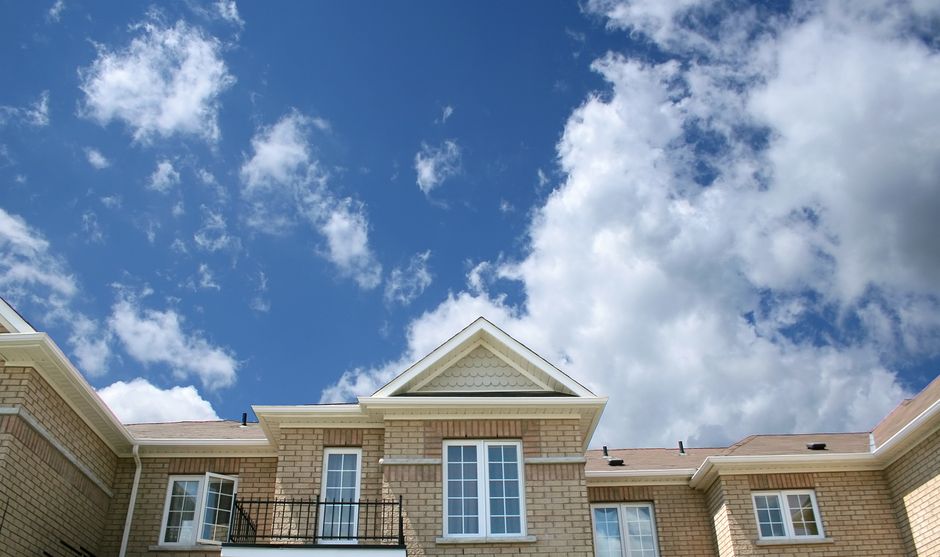
This summer, the monthly math leans in favor of Atlanta’s renters. In neighborhoods from Summerhill to Buckhead, paying the landlord is now often several hundred dollars a month cheaper than shouldering the burden of a new mortgage—even as both rents and home prices reach historic highs.
For years, skyrocketing home values in Atlanta prompted generations of young families and working professionals to do whatever it took to buy rather than rent. But an aggressive rise in mortgage rates—averaging 7.1% for a 30-year fixed loan as of June 2026, according to the Atlanta Board of Realtors—collides with stagnant wage growth and elevated listing prices. That’s forced many would-be first-time buyers on the sidelines, reconsidering if ownership can still be called the "American dream," or if it now amounts to paying a premium.
In practical terms, the squeeze shows up everywhere from Glenwood Avenue townhomes to high-rises at Atlantic Station. According to data provided to The Daily Atlanta by Georgia Multiple Listing Service (GAMLS), the median sales price for a single-family home inside I-285 hit $495,000 this May. The average asking rent for a two-bedroom in Midtown, meanwhile, is $2,085 per month according to Zillow—a figure that’s up 3% year-over-year but still cheaper than the monthly outlay on a new 5% down mortgage.
Let’s run the math: A buyer purchasing a median-priced $495,000 house with 5% down faces a principal and interest payment of roughly $3,140 per month, once taxes and HOA dues (averaging $300 a month downtown) are included. Contrast that with a comparable rental at the EDGE development on Edgewood Avenue, where a two-bedroom unit fetches $2,100—locking in a renter’s monthly costs more than $1,000 below the buyer's all-in figure.
The premium for buying is especially acute in newly hot BeltLine-adjacent areas like Old Fourth Ward, where median home prices surpassed $560,000 this spring. Local mortgage advisers say that even with modest long-term appreciation, buyers take several years to break even compared to renters—thanks to heavy upfront costs, insurance hikes, and ongoing repairs.
One exception: Downpayment assistance initiatives such as Invest Atlanta’s Atlanta Affordable Homeownership Program. But the $25,000 maximum benefit still leaves buyers exposed to daunting monthly obligations and has made only a small dent in homeownership rates for lower-income Atlantans.
Rents are rising—albeit at a slower clip than in the pandemic boom years. But with for-sale inventory stagnant (April saw barely 2.4 months’ supply in the city, the Board of Realtors reports), purchase prices look unlikely to retreat soon. Prospective buyers may explore smaller units or neighborhoods beyond the Perimeter for relief, though prices from Decatur to Stone Mountain remain up year-over-year.
For now, leasing edges out buying in Atlanta on pure monthly math, especially for those who can’t muster a large down payment. But would-be homeowners lose out on equity and future appreciation—so anyone tempted to leap should run the numbers, check the latest incentives from the Atlanta Urban League or Invest Atlanta, and keep a close eye on mortgage rate forecasts this fall. For many, Atlanta’s rent checks simply bring less sticker shock than a mortgage in 2026.

Property

Property

Property
Property
About this article
Published by The Daily Atlanta
Spread the word
Daily brief
Free, in your inbox before 7am. Weekdays.
The Daily Network — local news across Australia