Atlanta’s residential real estate market may not be serving up the whirlwind drama of 2021, but numbers from June show that both buyers and sellers face a scenario few predicted five years ago: price growth has cooled, listings linger longer, but neighborhoods from Grant Park to Buckhead remain stubbornly resilient.
Why does this matter? The 2021 boom brought frenzied bidding wars, frustrated buyers, and double-digit annual price jumps. Mortgage rates hovered near historic lows and a national migration wave made fast-growing cities like Atlanta the center of America’s property gold rush. Today in 2026, the stakes are different. Global uncertainty, interest rates well over 6%, and a string of extreme weather events across the South have left both first-time buyers and investors asking if Atlanta’s market is just catching its breath—or facing something more lasting.
Midtown and Suburbs Show Contrasts
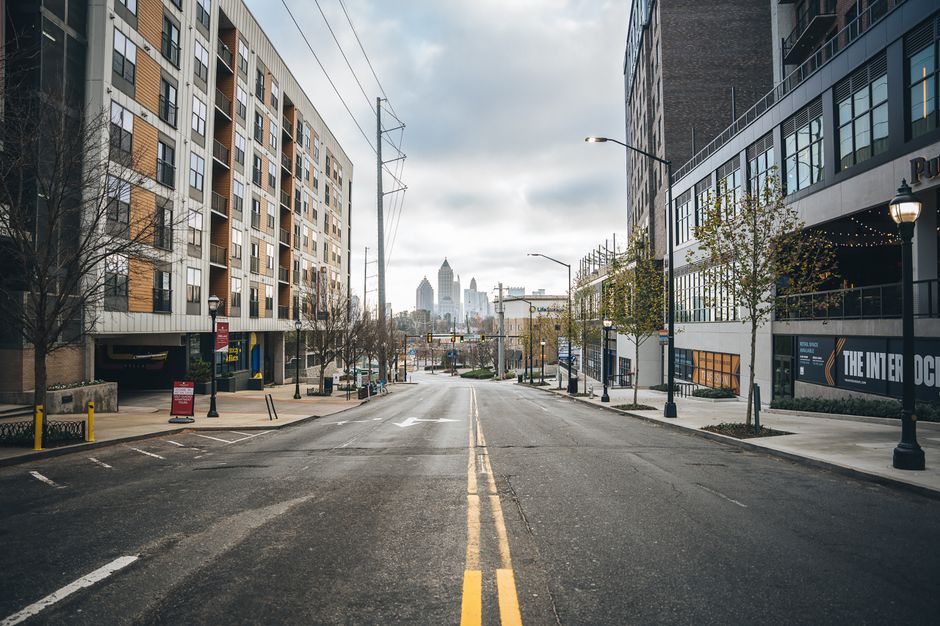
Atlanta realtors at Ansley Real Estate and Intown Atlanta report that June’s median single-family home price reached $470,200 for the city core, sliding only 2% from the same time last year. That’s a far cry from the warp-speed price jumps seen on streets like Peachtree Road or around the BeltLine in 2021, when a three-bedroom in Virginia-Highland could leap $100,000 in a matter of weeks. Today, buyers looking in Kirkwood and East Atlanta Village report more flexibility—some sellers offer rate buydowns or concession packages for closing costs, unheard of during the boom’s fever pitch.
Take West Midtown: new condos along Huff Road are still fetching $550,000 and up, but listings stay on the market for nearly 35 days on average, compared to barely ten days at the height of 2021. Meanwhile, major players like PulteGroup have postponed or scaled back new developments near the Mercedes-Benz Stadium, opting for phased releases instead of “grand opening” weekends that once drew lines around the block.
Data Shows Leveling—But Not Collapse
According to the Atlanta Realtors Association’s June 2026 report, citywide inventory has reached a five-year high with 10,230 active listings on market—a 47% increase over June 2021, when sellers could spark bidding wars by simply putting out a sign. The median home price for Metro Atlanta stands at $397,700, up a modest 2.5% year-on-year. In comparison, annual growth in 2021 topped out at nearly 17% for the metro region. The abrupt slowdowns seen in pandemic-fueled Sunbelt metros like Phoenix and Austin haven’t materialized here. Luxury buyers continue to circle Tuxedo Park and Ansley Park, and investors eye rezoning potential in Southwest Atlanta, bolstered by BeltLine expansion plans and the city’s $45 million affordable housing trust fund established last fall.
Yet affordability remains a worry. Mortgage payments on the median city home now exceed $3,100 per month with 6.5% 30-year fixed rates—about $850 more than the average payment in 2021, according to Zillow’s June survey. Renters aren't immune; the average two-bedroom unit along Ponce de Leon rose to $2,050 per month, up 11% since 2022.
For Atlantans looking ahead, agents say patience and preparation are now their biggest assets. The upcoming school year could spur more movement in family neighborhoods like Morningside, while city council debates this month on further BeltLine rezoning may shift investor and developer strategies. Buyers willing to look beyond the trendiest ZIP codes may find more breathing room and price flexibility. Sellers, meanwhile, are advised to price carefully and expect more negotiation than during the boom. The days of sold-in-24-hours-above-asking are gone, but for Atlanta, a return to something resembling balance may be the hidden opportunity of 2026.