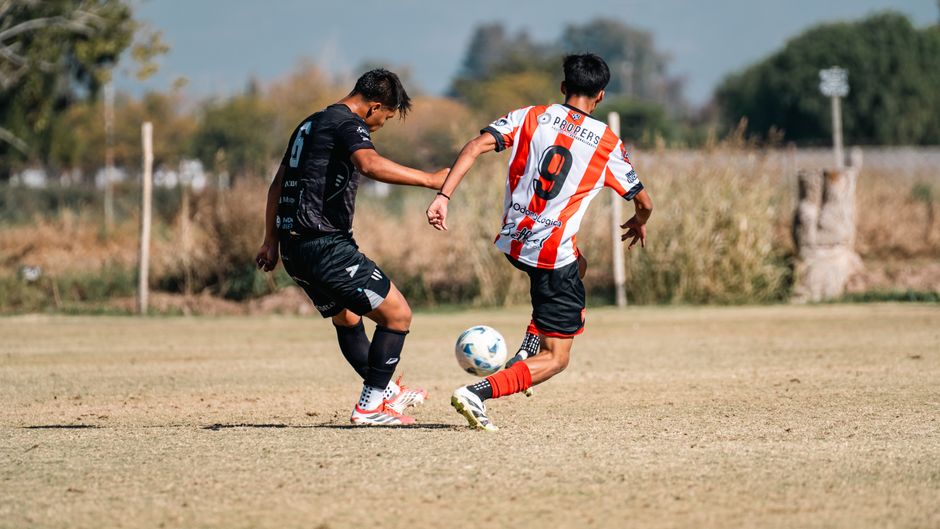
More than 14,000 Atlantans registered for a community sport league, recreational program or neighborhood fitness initiative between January and June 2026 — the highest six-month total the Atlanta Department of Parks and Recreation has recorded since it began tracking participation in 2018. The numbers landed this week, just as summer programming across the city hit full stride, and they tell a story the professional franchises rarely get credit for sparking.
Atlanta's sports identity has long been anchored downtown — Mercedes-Benz Stadium, State Farm Arena, Truist Park in Cumberland. But the real growth is happening on public fields in Westview, on converted parking lots in Clarkston, and in gymnasiums that smell like decades of Friday-night basketball. A city that spent the last three years building out its professional sports infrastructure is now watching that energy trickle all the way down to the under-10 soccer divisions on Sylvan Road.
Programs Filling the Gaps
Atlanta Recreational Alliance, a nonprofit founded in 2019 and headquartered on Ralph David Abernathy Boulevard in the West End, operates 23 active leagues this summer — up from 14 in summer 2024. The organization charges participants a flat $35 seasonal registration fee, deliberately kept low to compete with private travel leagues that can run families $800 or more per season. Saturday mornings at John A. White Park in Cascade Heights now draw upward of 300 players across age groups, a scene organizers describe as nearly unmanageable in the best possible way.
Fifteen miles northeast, Global Village Champions — a Clarkston-based soccer program serving refugee and immigrant youth — wrapped its spring session with 217 registered players from 31 countries. Clarkston, sometimes called the most ethnically diverse square mile in America, has become an unlikely laboratory for what integrated community sport looks like in practice. The program runs on a $280,000 annual budget, roughly 60 percent of which comes from a City of Atlanta Community Development Block Grant renewed in March 2026. Field time is booked at Milam Park on Indian Creek Drive, where new LED lighting installed last November extended usable hours into the evening.
The Atlanta United FC Community Fund, tied to the MLS club, distributed $1.2 million to 38 grassroots organizations across metro Atlanta in fiscal year 2025. That money funded everything from referee certification courses in College Park to new goals for the Inman Park recreational fields. Atlanta Braves-affiliated youth baseball clinics at Truist Park logged 4,800 youth participants in the first half of 2026, with the majority bused in from Title I school districts in DeKalb and Fulton counties.
What Pressure Looks Like at the Field Level
None of this is frictionless. Field availability remains the single biggest bottleneck cited by recreational coordinators across the city. Piedmont Park's athletic fields are booked solid through September 14, according to the city's online reservation system, and Candler Park's smaller pitches have a waitlist running four weeks out. The Atlanta BeltLine, which added two new multi-use courts near the Eastside Trail in April, helped absorb some demand — but recreational administrators say the supply of maintained public athletic space has not kept pace with population growth that added roughly 58,000 residents to the city proper since 2022.
Atlanta City Council's Parks, Recreation and Cultural Affairs Committee is scheduled to hear a proposal on July 22 that would allocate $4.3 million from the city's capital budget toward field rehabilitation at 11 sites, including Browns Mill Park in Southeast Atlanta and Thomasville Heights. If approved, construction would begin in October, with fields expected back in service by spring 2027.
For families looking to get involved now, the Atlanta Department of Parks and Recreation's summer registration portal — open through July 18 — still has open slots in adult sand volleyball, youth flag football and senior walking leagues. The Westview Community Garden and Athletic Hub on Cascade Avenue, run jointly by the city and the nonprofit Grove Park Foundation, holds open registration every Tuesday evening from 6 p.m. to 8 p.m. Show up with a valid ID and $35, and you're in.