sport
25,000 Atlanta adults join recreational leagues annually, data shows
With over 25,000 adults joining leagues each year, the city’s pick-up culture is thriving, from Piedmont Park kickball to ADASL soccer.
How we reported this
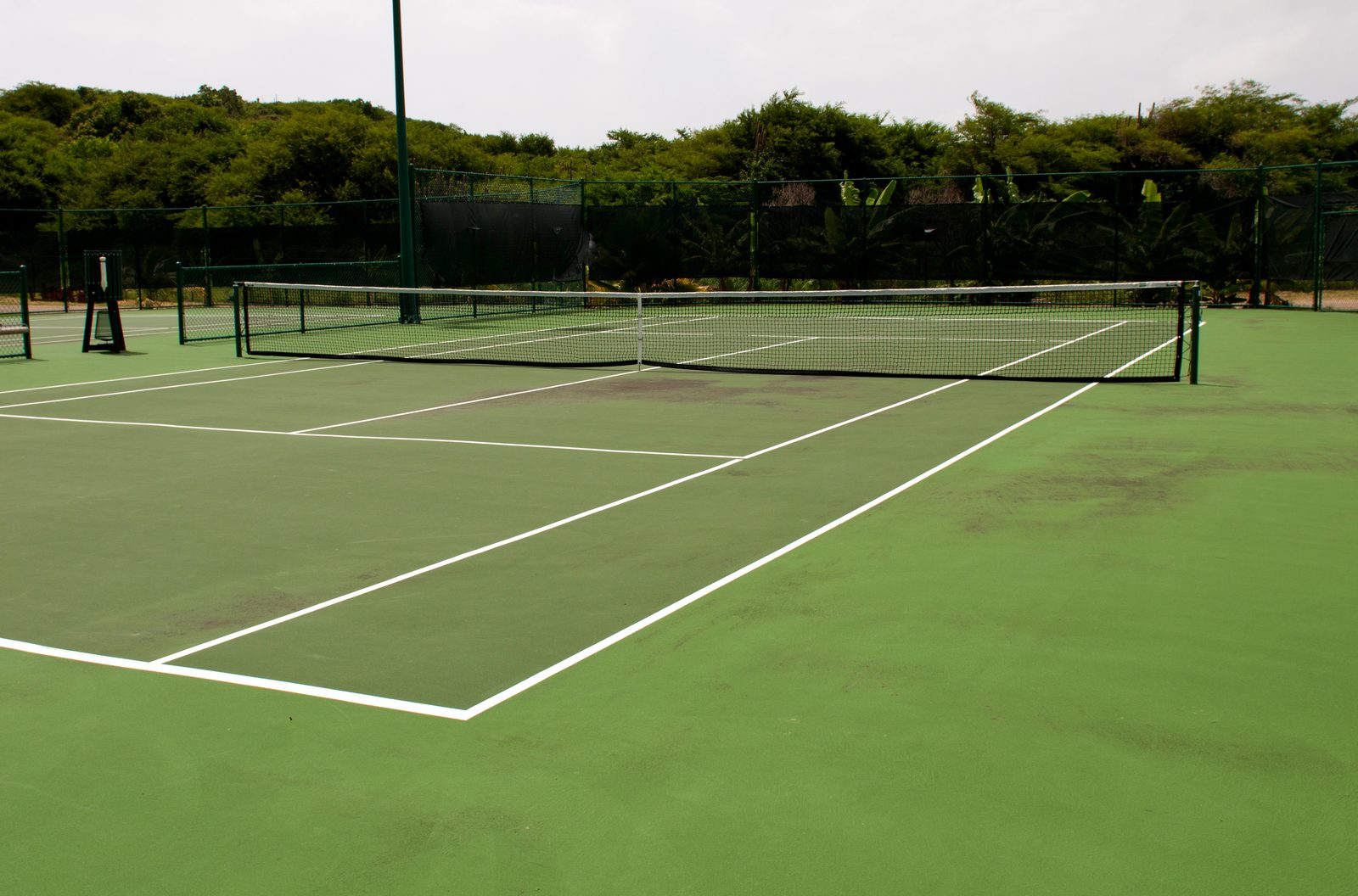
On any given evening in Atlanta, thousands of adults are lacing up sneakers, grabbing paddles, or heading to a diamond for a game of kickball. According to the Atlanta Sport and Social Club, the city’s premier organizer of adult recreational leagues, more than 25,000 participants take part in its 70-plus leagues annually. Soccer, kickball, pickleball, and cornhole are among the most popular sports, drawing a diverse cross-section of Atlanta’s fitness-minded residents.
A Citywide Shift Toward Social Fitness
The participation numbers paint a clear picture: Atlanta’s fitness culture is less about solitary gym sessions and more about community connection through sport. The sheer scale, 25,000 players a year in one organization alone, suggests that adult recreational sports have become a central pillar of local social life. These leagues aren’t just for competition; they’re a way to meet neighbours, unwind after work, and stay active without the pressure of a personal trainer or a strict regimen.
That trend is reinforced by the emergence of inclusive leagues. Stonewall Sports Atlanta, founded in January 2021, offers low-cost LGBTQIA+ and ally leagues in kickball, dodgeball, volleyball, bowling, tennis, darts, and pickleball. Similarly, Pride Sports Atlanta, originally launched as GO Kickball Pride League in 2020, runs co-ed social kickball leagues with spring, summer, and fall seasons, mostly at Piedmont Park.
Where Atlanta Plays: From Piedmont Park to Soccer Fields
The city’s recreational sports landscape is geographically diverse. Piedmont Park serves as a primary hub for Pride Sports Atlanta’s kickball games, while soccer players can choose between the Atlanta District Amateur Soccer League (ADASL), which runs competitive 11v11 matches, and the Georgia Adult Coed Soccer League (GACSL), which offers recreational over-30 teams in both 7v7 and 11v11 formats.
For younger players and families in underserved areas, FCA ATL (Fellowship of Christian Athletes) provides under-7 and under-10 soccer leagues within Atlanta Public Schools and South Fulton County, alongside middle school baseball and basketball leagues. That youth-focused programming, combined with the adult leagues, suggests a pipeline for lifelong participation, kids grow up in the leagues and later join adult teams.
What the Numbers Tell Us
The 25,000-participant figure, when considered alongside the breadth of offerings, from cornhole to darts, points to a thriving local economy built around recreational sport. The low financial barrier to entry is a key factor: Stonewall Sports Atlanta, for example, markets itself as “low-cost,” and many leagues operate on a pay-per-season model rather than demanding expensive membership fees. That affordability likely explains the strong turnout, particularly among younger professionals and college graduates drawn to Atlanta’s job market.
Accessibility also matters. Multiple leagues operate by season, spring, summer, fall, allowing people to join when their schedules allow. And the social component cannot be overstated: kickball and cornhole are as much about the post-game drink as the on-field action.
Finding Your League: A Practical Guide
For residents looking to join, the options are plentiful. The Atlanta Sport and Social Club is the largest single entry point, with online registration for more than 70 leagues. Soccer players at any skill level can register with ADASL or GACSL depending on desired competitiveness. LGBTQIA+ athletes and allies can turn to Stonewall Sports Atlanta or Pride Sports Atlanta, both of which offer regular seasons downtown and at Piedmont Park. Families in South Fulton County or APS zones can contact FCA ATL for youth leagues. No matter the sport, Atlanta provides a league that fits, and that, more than any single statistic, explains why recreational sports have become a defining feature of the city’s fitness culture.
References Sourced but Not Limited to:
- thegayagenda.fyi · Sports
- stonewallsportsatlanta.org
- accessatlanta.com · 5 sports leagues to join in atlanta to stay fit
- ajc.com · Lgbt sports leagues join atlanta
- atlcommunitysports.org · New page
- atlcommunitysports.org
- georgiasoccer.org · Find a league
- stonewallsportsatlanta.org · About
- roughdraftatlanta.com · Sports leagues in the atl
- belowthebeltsports.org · Atl leagues