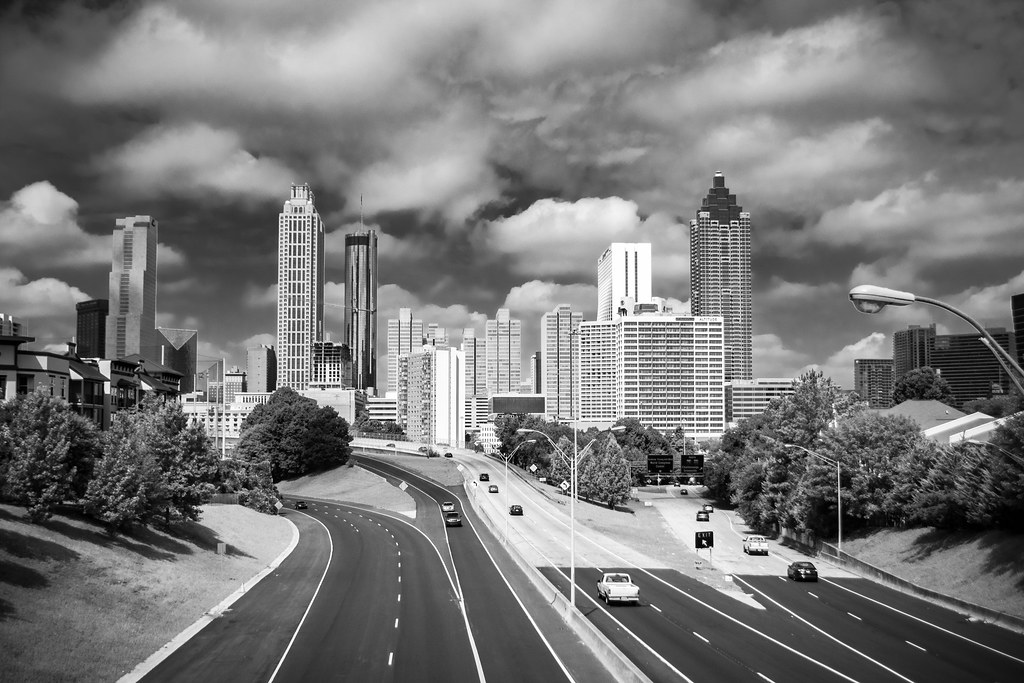
Atlanta began installing 1,200 new traffic sensors and connected streetlights along Peachtree Street in May 2026 as part of its latest smart city phase.
The timing coincides with federal infrastructure deadlines and rising urban heat that already strained the power grid during last summer's peaks. City data shows downtown intersections handle 18 percent more vehicle volume than in 2023, pushing officials to seek real-time adjustments rather than fixed signal timing.
The Atlanta Regional Commission coordinates the work with Georgia Tech researchers who test predictive algorithms at the Midtown innovation corridor and along the Atlanta BeltLine's Eastside Trail segment near Inman Park. Early pilots there use cameras and air-quality monitors to reroute buses during rush hours and flag sidewalk obstructions.
Data Handling Raises Privacy Questions
A 2025 city audit found that 62 percent of the $48 million smart-city budget went to sensor hardware and cloud storage contracts, yet only $3.2 million covered encryption upgrades. Residents near Centennial Olympic Park have filed public records requests after noticing license-plate readers feeding into a shared database that also logs pedestrian counts.
Similar projects in other U.S. cities produced documented cases of footage shared with federal agencies without local warrants, prompting Atlanta's privacy task force to review access logs quarterly.
Equity Gaps Surface in Pilot Zones
Lower-income areas south of I-20 received fewer connected devices than Buckhead or Virginia-Highland blocks, according to maps released in June. The disparity leaves some neighborhoods without the same real-time flood alerts or EV-charging coordination already active along North Avenue.
City staff plan a September public meeting at the Atlanta City Hall atrium to release updated vendor contracts and invite comments on data-retention limits before the next sensor batch goes live in October.