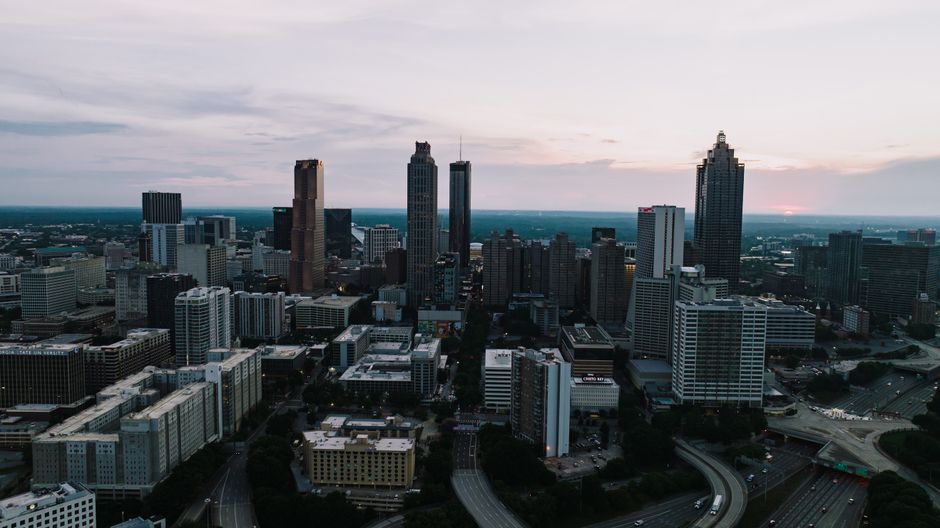
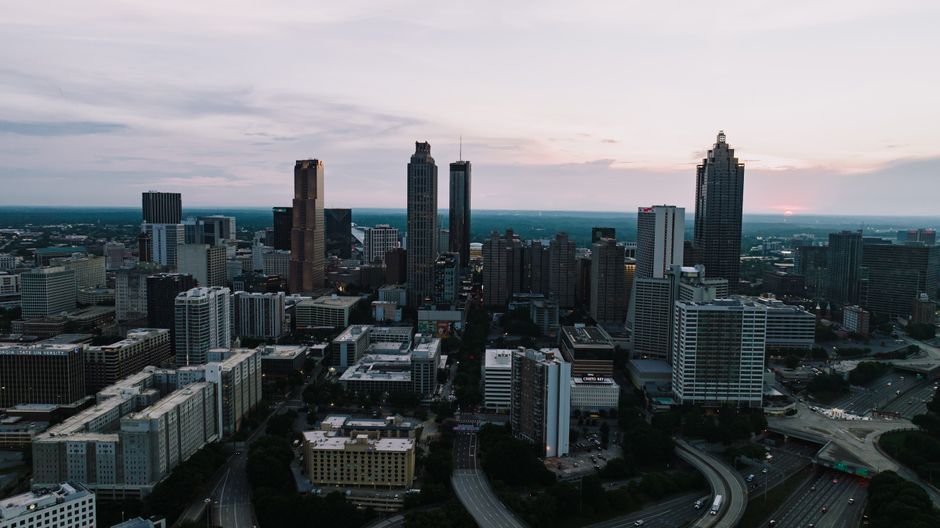
Atlanta hit a heat index of 108°F on June 29, and the National Weather Service has already issued four excessive heat warnings for Fulton and DeKalb counties since Memorial Day. That is the context in which local dietitians and fitness coaches are having the same conversation over and over: their clients are not drinking nearly enough, and what they are reaching for when they do is often making things worse.
July in Atlanta is not a gentle inconvenience. Average daily highs sit around 91°F, but the humidity — routinely above 70 percent in the morning — is what turns a walk from the Beltline's Eastside Trail to Ponce City Market into a physiological stress test. The body loses fluid through sweat faster than most people consciously register, and thirst alone is a notoriously late signal. By the time you feel thirsty, you are already functioning at a modest deficit.
What the Numbers Say — and What Atlanta's Wellness Scene Is Doing About It
The standard guidance from the National Academies of Sciences sets total daily water intake at 3.7 liters for men and 2.7 liters for women — but those figures assume a temperate climate and moderate activity. Spend 45 minutes running the trails at Piedmont Park in July heat and you can lose between 1 and 1.5 liters of sweat per hour. That gap has to close somewhere, and for many Atlantans it simply does not. A 2024 survey by the American Heart Association found that 47 percent of adults in the southeastern United States reported drinking fewer than four cups of water daily, well below any reasonable target for the region's summer conditions.
Emory Healthcare's outpatient nutrition program, based at the Emory Clinic on Clifton Road, has been fielding increased referrals for heat-related fatigue and headaches — symptoms that often resolve with nothing more dramatic than a structured hydration plan. The program's registered dietitians generally recommend that active Atlantans working outdoors or exercising outside add at least 16 ounces of water for every 30 minutes of outdoor exertion on top of baseline intake. They also flag the sodium piece: sweat strips electrolytes, and plain water alone, consumed in large quantities to compensate, can dilute sodium levels enough to cause its own problems.
Inman Park's juice and smoothie bar Arden's Garden — a local chain with locations stretching from Little Five Points to Buckhead — has seen a measurable shift in customer orders since June. Their electrolyte-forward blends and coconut water bases have outsold their standard green juices for the first time since the company began tracking category sales. A 16-ounce electrolyte smoothie runs $9.75 at the Ponce de Leon Avenue location. Whether that price point works for every budget is a fair question, but the underlying logic — replenishing sodium, potassium, and magnesium alongside fluids — is sound regardless of where you source it.
What to Actually Drink, and When
Plain water remains the baseline. Sparkling water counts. Herbal iced tea — widely available at spots like Watchman's on the BeltLine — hydrates just as effectively as still water. Coffee and caffeinated tea do not dehydrate you at moderate doses despite persistent myth; a morning cup contributes net fluid. Sports drinks like Gatorade provide useful electrolytes but also carry 21 grams of sugar per 12-ounce serving, which is worth knowing before treating them as a casual all-day option. Coconut water at roughly 46 calories per cup offers a lower-sugar electrolyte alternative.
Alcohol and sugary sodas are the straightforward subtractions — both accelerate fluid loss and should not count toward your daily total on a 95-degree Atlanta afternoon.
The practical starting point, short of any lab work or formal consultation: weigh yourself before and after a workout. Each pound lost represents roughly 16 ounces of fluid that needs replacing. Drink that back within two hours. Pre-hydrate with 16 to 20 ounces in the 90 minutes before outdoor activity. Keep a 32-ounce bottle visible on your desk, in your car, or clipped to your bag — research consistently shows that visibility drives consumption.
Anyone dealing with chronic fatigue, recurring headaches, or dizziness during Atlanta's summer months should check in with a local physician or registered dietitian before self-diagnosing a hydration problem. Emory, Grady Memorial on Jesse Hill Jr. Drive, and WellStar Atlanta Medical Center all offer nutrition counseling referrals through their primary care networks. The heat is not going anywhere before September. The adjustments are small and the stakes are real.