Wellness
The Sleep Environment Checklist for Better Rest
Atlanta's wellness crowd is obsessing over bedroom upgrades — here's what the evidence actually says about transforming your sleep space.
4 min read
Updated 2 h ago
Wellness
Atlanta's wellness crowd is obsessing over bedroom upgrades — here's what the evidence actually says about transforming your sleep space.
4 min read
Updated 2 h ago
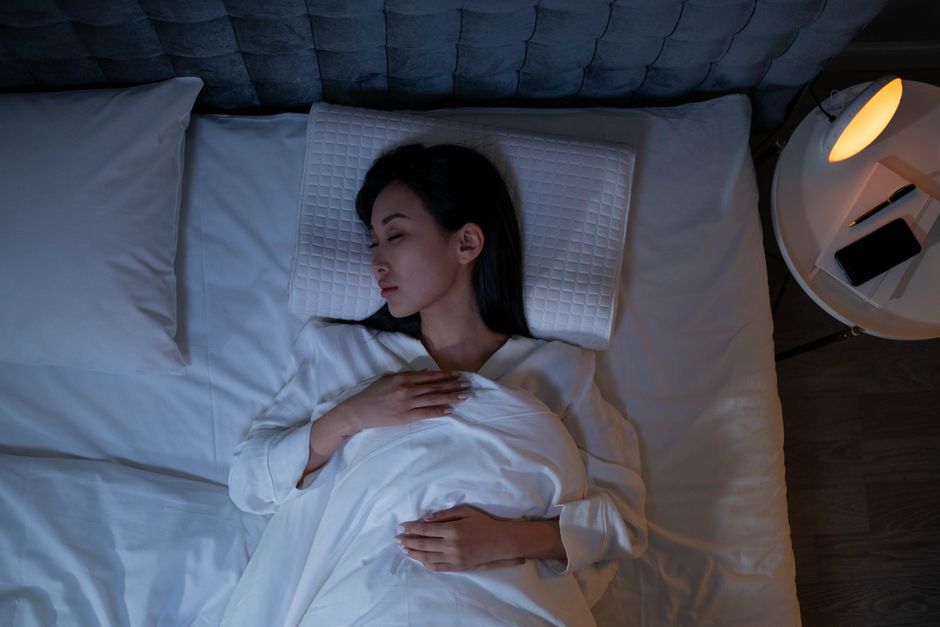
Americans are sleeping worse than they have in decades, and the fix may start with a thermostat, not a prescription. The Centers for Disease Control and Prevention, headquartered right here on Clifton Road in DeKalb County, reports that roughly one in three U.S. adults fails to get the recommended seven hours of sleep per night — a figure that has barely budged since the agency began tracking it seriously in 2014. Sleep medicine specialists say the bedroom environment itself is a primary culprit, and a growing number of Atlanta residents are paying attention.
The timing matters. Midyear heat in Atlanta regularly pushes overnight lows above 75 degrees Fahrenheit through July and August, which makes the bedroom a tougher opponent than it is for people in cooler climates. Add in the sustained economic stress around housing costs — mortgage rates hovering near 6.8 percent as of this week are keeping many Atlantans in apartments and older homes with inadequate insulation — and the practical barriers to a decent night's sleep are stacking up. Wellness studios across the city say sleep is now one of the most common topics clients bring up unprompted.
Sleep research consistently identifies five controllable bedroom variables: temperature, light, noise, bedding, and device presence. The sweet spot for room temperature, according to work published in the journal Sleep Medicine Reviews, sits between 65 and 68 degrees Fahrenheit. That range facilitates the drop in core body temperature the brain needs to initiate deep sleep. For Atlantans running central air in July, that often means setting the thermostat several degrees lower than feels intuitive during daylight hours.
Light is the second major lever. Blackout curtains — available at stores including the IKEA on Cumberland Boulevard in Cobb County, where a full blackout panel set runs around $35 — block the ambient glow from streetlights and the persistent blue cast of digital signage. Light exposure after 10 p.m. suppresses melatonin production, and urban neighborhoods like Old Fourth Ward and Midtown Atlanta, with their dense restaurant and bar corridors, generate enough exterior light to affect sleep even through standard curtains.
Noise is harder to solve cheaply. Ponce City Market sits on the BeltLine's Eastside Trail, and residents of the surrounding Inman Park and Ponce-Highland neighborhoods regularly cite nighttime noise — traffic, HVAC systems, weekend crowds — as a sleep disruptor. White noise machines, which retail for $25 to $80 at Target locations including the store on Ponce de Leon Avenue, have strong clinical backing. A 2021 study in Frontiers in Neurology found participants fell asleep an average of 38 percent faster when white noise masked irregular background sound.
Phones are the hardest habit to break. The American Academy of Sleep Medicine recommends keeping screens out of the bedroom entirely — a guideline that feels almost radical to anyone who uses a phone as an alarm clock. A practical middle step: enable a device charging station outside the bedroom door. Shops like the Buckhead Village location of Best Buy carry dedicated charging docks that make this easier to execute without losing the alarm function.
Bedding gets underestimated. Weighted blankets, which range from $60 to $250 depending on fill weight and fabric, have a modest but real evidence base for reducing nighttime anxiety and improving sleep onset. Percale cotton sheets, rated at 200 to 400 thread count, outperform higher thread-count sateen in hot climates because they breathe better — relevant for anyone sleeping without air conditioning during Atlanta's peak summer weeks.
The full checklist is not complicated: cool the room to 65-68 degrees, block external light, mask irregular noise, charge devices outside the bedroom, and choose breathable bedding. Atlanta Sleep Medicine, a practice with a clinic in the Brookhaven area off Dresden Drive, along with Emory Healthcare's sleep center at Emory University Hospital Midtown, both offer formal evaluations for people whose issues go beyond environmental fixes. For everyone else, start with the thermostat. It costs nothing to turn it down.
Wellness
Wellness
Wellness

Wellness
About this article
Published by The Daily Atlanta
Spread the word
Daily brief
Free, in your inbox before 7am. Weekdays.
The Daily Network — local news across Australia