Wellness
Why People Are Sleeping Worse – and What To Do About It
Atlanta residents are getting less sleep than ever, and local experts are pointing to stress, screens, and shifting routines as culprits.
3 min read
Updated 1 h ago
Wellness
Atlanta residents are getting less sleep than ever, and local experts are pointing to stress, screens, and shifting routines as culprits.
3 min read
Updated 1 h ago
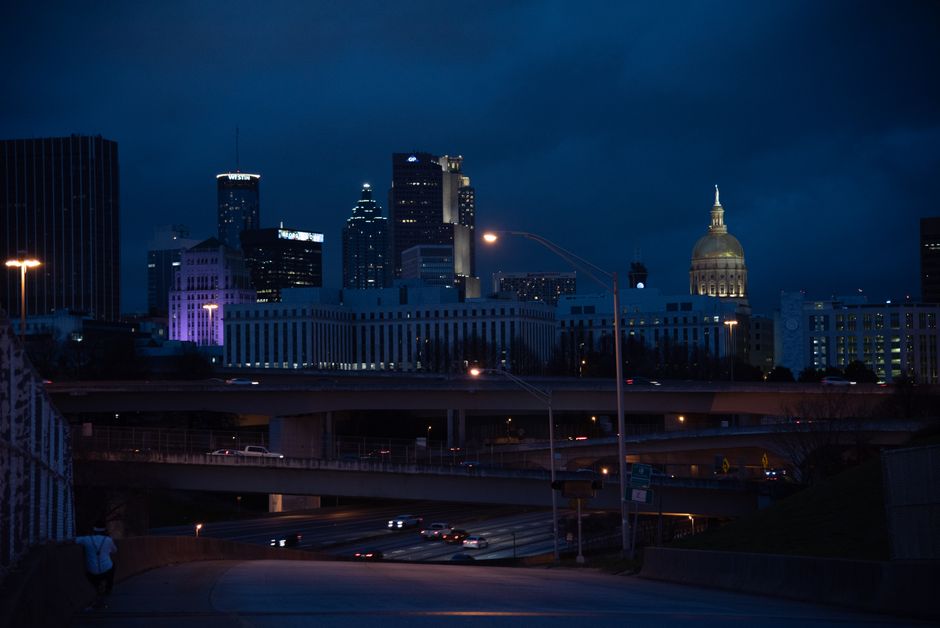
More Atlantans are tossing and turning through the night, with sleep health specialists across the city reporting a marked uptick in complaints about restless nights and groggy mornings. At Piedmont Atlanta Hospital’s Sleep Center on Peachtree Road, clinicians say requests for sleep consultations are up 30% compared to this time last year.
This trend matters: chronic poor sleep is tied to higher risk of heart disease, depression, and lost productivity. With remote work routines lingering in Midtown, and economic anxiety clouding many households from West End to Buckhead, sleep has quietly become a major public health conversation in Atlanta. People are seeking answers—and footing the bill—while wellness studios and sleep app subscriptions surge in popularity.
On the BeltLine’s Eastside Trail, early joggers have replaced late-night strollers, but that hasn’t translated into better rest. Dr. Mariela Roberts, director of Emory Healthcare’s Behavioral Sleep Medicine Program in Druid Hills, tells The Daily Atlanta her team is working overtime as "doomscrolling" and stress-fueled insomnia become part of everyday language. Fitness influencers at Highland Yoga in Virginia-Highland run regular workshops on sleep hygiene, but even their regulars say the lure of Netflix—and anxiety about finances—keep them awake far later than they’d like.
Local data backs this up. The Georgia Department of Public Health’s 2025 report flagged that only 62% of Fulton County adults reported getting at least seven hours of sleep per night, down from 70% in 2022. Meanwhile, Atlanta-based Calm app memberships climbed by 18% in the first quarter of 2026, and the $80 weighted blankets at Ponce City Market’s sleep boutique regularly sell out, according to staff. Sleep help is now a booming business, but the underlying issues—overwork, blue light, and unpredictability—remain pressing.
So what can Atlantans do to reclaim their nights? Experts recommend a menu of practical strategies: keeping regular bedtimes even on weekends, limiting caffeine after 2 pm, and powering down devices at least 30 minutes before tucking in. Neighborhood resources can also help: the Center for Mindful Living on North Decatur Road offers drop-in meditation sessions tailored for beginners, and Emory’s Midtown campus holds quarterly sleep health seminars. For those feeling truly stuck, the Atlanta School of Sleep Medicine on Howell Mill Road provides tailored assessments, though initial visits run about $275 without insurance.
The bigger picture: addressing sleep health in Atlanta means tackling its pressures head-on. As local events like the Night Market at Atlantic Station keep residents out late this summer, the conversation is likely to continue—both on city council health agendas and in neighborhood support groups. For now, Atlanta’s experts are urging a return to basics: quiet evenings, cool bedrooms, and a little less scrolling after sunset.
About this article
Published by The Daily Atlanta
Spread the word
Daily brief
Free, in your inbox before 7am. Weekdays.
The Daily Network — local news across Australia