Wellness
Why people are sleeping worse and what to do about it
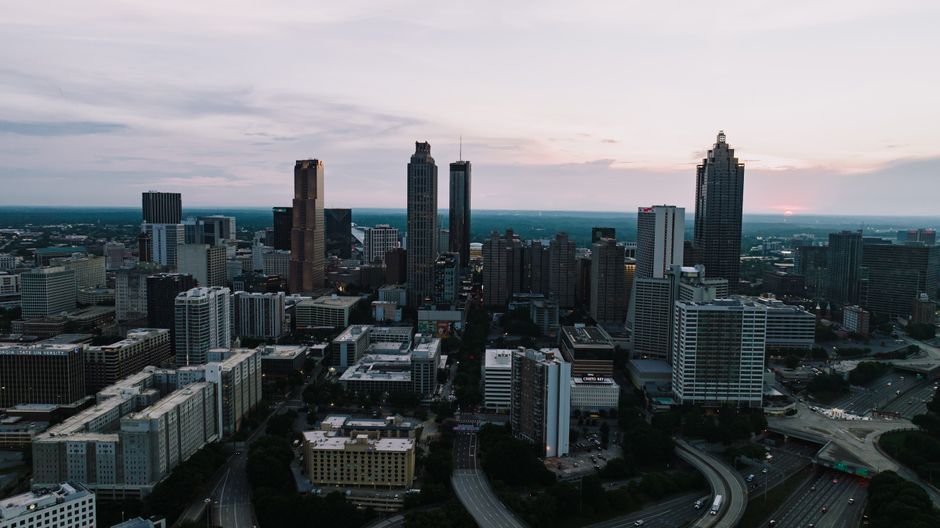
Rising stress and late-night screen time are chipping away at Atlanta’s sleep quality, but local initiatives offer a chance to reset.
3 min read
Updated 1 h ago
Wellness
Rising stress and late-night screen time are chipping away at Atlanta’s sleep quality, but local initiatives offer a chance to reset.
3 min read
Updated 1 h ago

Atlanta residents are tossing and turning more than ever, with the latest figures from the CDC’s Office on Smoking and Health—based on a 2025 survey—showing 37% of adults in Georgia report sleeping less than seven hours a night. That’s an uptick from pre-pandemic years and reflects a growing concern among health professionals across the city.
The city’s changing lifestyle—from remote work blurring boundaries to the inexorable scroll of social media—has ramped up sleep problems. As Atlanta’s pop-up fitness classes under the BeltLine and sunrise yogis at Piedmont Park multiply, so has an undercurrent of anxiety keeping phones glowing late at night. Dr. Linda Jonassen, director of sleep research at Emory University Hospital’s Sleep Center, points to chronic stress, economic uncertainty, and increased screen use as key culprits impacting sleep hygiene in every age group.
Step into East Lake or stroll along Peachtree Street late at night and it’s easy to see the city’s pulse. Cafés like Chrome Yellow Trading Co. stay busy into the evening, catering to night owls and digital nomads chasing deadlines. Meanwhile, programs like Atlanta Restorative Wellness, a Buckhead-based clinic, say their appointments for sleep-related issues have shot up 24% since summer 2023. Even the Sleep Store Atlanta on Cheshire Bridge Road reports brisk sales of blackout curtains and white-noise machines, with manager Jessica Bryant noting, "July and August usually see a 40% spike as new grads and relocating professionals struggle with major routine changes."
Community groups are also taking notice. Hands On Atlanta launched ‘Shut Eye Saturdays’ workshops this spring, offering free group sessions on managing bedtime anxiety and building sleep-supportive routines in Grant Park and West End. “People want solutions they can use at home, without major costs,” said a Hands On Atlanta coordinator.
The CDC’s 2025 Behavioral Risk Factor Surveillance System indicates that metro Atlanta’s rates of insufficient sleep now parallel the national average but outpace cities like Seattle, long considered a gold standard for healthy habits. Beyond the numbers, Atlantans are paying real costs— from missed work to rising prescriptions for melatonin and sleep aids. Data from Grady Health System suggests a 32% increase in sleep-related clinic visits over the past two years. For many, the price of one night’s stay at a sleep lab—averaging $950 out of pocket—means homegrown strategies are more attractive.
Experts recommend a locally tailored approach: cutting caffeine after 2 p.m. (Common Grounds on Edgewood Avenue now offers a decaf-only happy hour after lunch), sticking to evening wind-downs away from screens, and joining sunrise walking groups (the Old Fourth Ward Walkers meet at 6:30 a.m. Thursdays to reset their sleep cycles). Emory’s Sleep Center also runs short mindfulness courses, with three-week programs costing $85, focusing on unhooking from tech and reintroducing natural circadian rhythms.
For Atlantans, the message is clear: while the city’s drive and energy set the pace by day, the real secret is learning how to slow down at night. If sleep remains elusive, experts say to check for underlying conditions and consider professional guidance. But for most, small tweaks to local routines—and some stillness under the city’s famously leafy canopy—may restore both rest and resilience.
About this article
Published by The Daily Atlanta
Spread the word
Daily brief
Free, in your inbox before 7am. Weekdays.
The Daily Network — local news across Australia