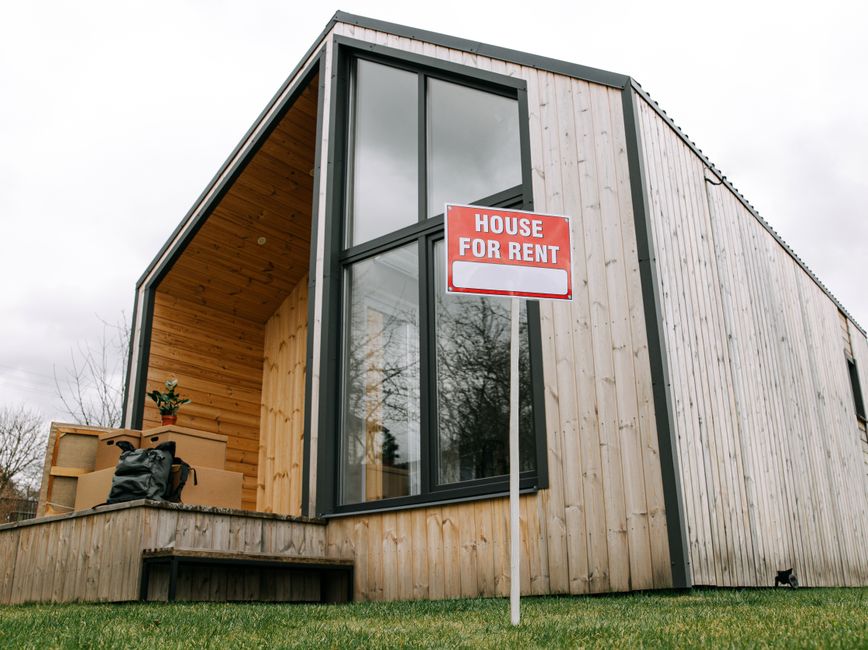
The median sale price for a single-family home in metro Atlanta hit $412,000 in June 2026, according to Georgia MLS data — roughly 6.8 times the area's median household income. For a growing slice of Atlantans, the math on buying simply doesn't work. Build-to-rent communities, developments designed from the ground up to be leased rather than sold, are stepping into that gap with a proposition that goes well beyond a standard apartment lease.
The timing matters. The Federal Reserve has held benchmark interest rates above 6 percent for most of 2026, keeping 30-year mortgage rates near 7.1 percent. A buyer putting 10 percent down on a $412,000 home faces a monthly principal-and-interest payment close to $2,650 — before taxes, insurance, or HOA fees. Comparable build-to-rent single-family homes in Atlanta's outer suburbs are leasing for $2,100 to $2,400 per month, all-in, with maintenance included. That spread is driving real demand.
What These Communities Look Like on the Ground
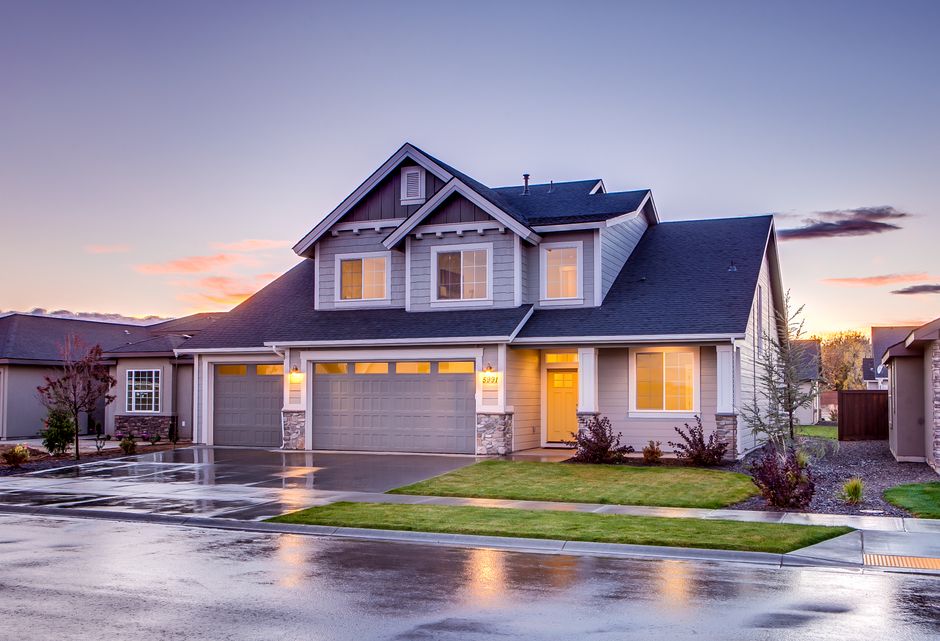
Two projects illustrate how far the product has evolved. Anthology of Peachtree City, a 312-unit build-to-rent neighborhood in Fayette County about 30 miles south of downtown, offers detached and attached homes ranging from 1,200 to 1,900 square feet, each with private yards, two-car garages, and smart-home packages. Residents sign standard 12- or 24-month leases through a single landlord — no lawn mowing, no surprise HVAC bills. Closer in, the Eastside Trail corridor near the BeltLine has seen operator Lincoln Property Company expand its BTR footprint with townhome-style rentals in the Reynoldstown and Kirkwood neighborhoods, targeting renters who want walkability without a $550,000 price tag on a renovated craftsman.
The amenity pitch differs from conventional apartments. Build-to-rent projects typically include dedicated dog parks, private garages or driveways, and in-unit washer-dryers — details that sound minor until you've shared a laundry room for three years. Some larger campuses include co-working spaces and resort-style pools, but the real draw is spatial: tenants get square footage and a yard that apartment living can't deliver at the same price point. The Georgia Department of Community Affairs flagged BTR as one of the fastest-growing housing subcategories in its 2025 annual housing report, with Fulton, Gwinnett, and Cherokee counties absorbing the highest concentrations of new permits.
The Trade-Offs Renters Should Understand
Build-to-rent is not ownership. Equity doesn't accrue. If Atlanta property values continue climbing — the metro saw a 4.2 percent year-over-year price increase through May 2026 — long-term BTR tenants could find themselves priced out of eventually buying in the same neighborhood where they've been renting. Lease renewals aren't guaranteed at stable rates, either. Some operators in Gwinnett County raised rents 8 to 12 percent on renewal in 2025, a pattern that drew scrutiny from the Atlanta Regional Commission's housing equity task force.
There's also the question of community stability. BTR developments are institutional assets — they trade between real estate investment trusts and private equity funds. The landlord who built your neighborhood may not be the one managing it in five years. Renters in a Brookhaven BTR community near Peachtree Road reported last fall that their complex changed management companies twice in 18 months, affecting maintenance response times and lease terms.
For tenants doing the analysis right now, the calculation depends heavily on timeline. If you plan to stay in the Atlanta metro for fewer than five years, the avoided transaction costs and maintenance risk of BTR likely outweigh the equity upside of buying, particularly at current rates. Beyond that window, the case gets murkier. Organizations like the Atlanta Neighborhood Development Partnership offer free homebuyer counseling and can run side-by-side rent-versus-own projections based on specific neighborhoods — a worthwhile step before signing any lease longer than 12 months. The BeltLine Affordable Housing Trust Fund also maintains a list of income-qualified ownership programs for buyers under 120 percent of area median income, which sits at $98,400 for a family of four in 2026.
Atlanta's BTR pipeline shows roughly 4,800 additional units scheduled to deliver before the end of 2027, concentrated in Gwinnett, Cherokee, and Henry counties. That supply surge should keep rents competitive in those submarkets through at least mid-2027 — which gives serious buyers a window to save, watch rates, and decide whether a deed is worth waiting for.