Atlanta's median home sale price cleared $410,000 in the second quarter of 2026, according to figures from the Atlanta Realtors Association — a number that effectively shuts out households earning below $120,000 a year when standard 20-percent down payment requirements are factored in. That math is pushing a growing share of residents toward a relatively new product: purpose-built single-family rental communities designed from the ground up to be rented, not sold.
The timing matters. The Federal Reserve's benchmark rate has held above 6.5 percent since late 2025, keeping 30-year mortgage rates stubbornly near 7.2 percent. A buyer financing that $410,000 median-priced home with 10 percent down is looking at a monthly principal-and-interest payment north of $2,600, before taxes, insurance, or HOA fees. Against that backdrop, a professionally managed build-to-rent home in the same suburb — often with a garage, a small yard, and no surprise repair bills — starts looking less like settling and more like strategy.
What Atlanta's Build-to-Rent Pipeline Actually Looks Like
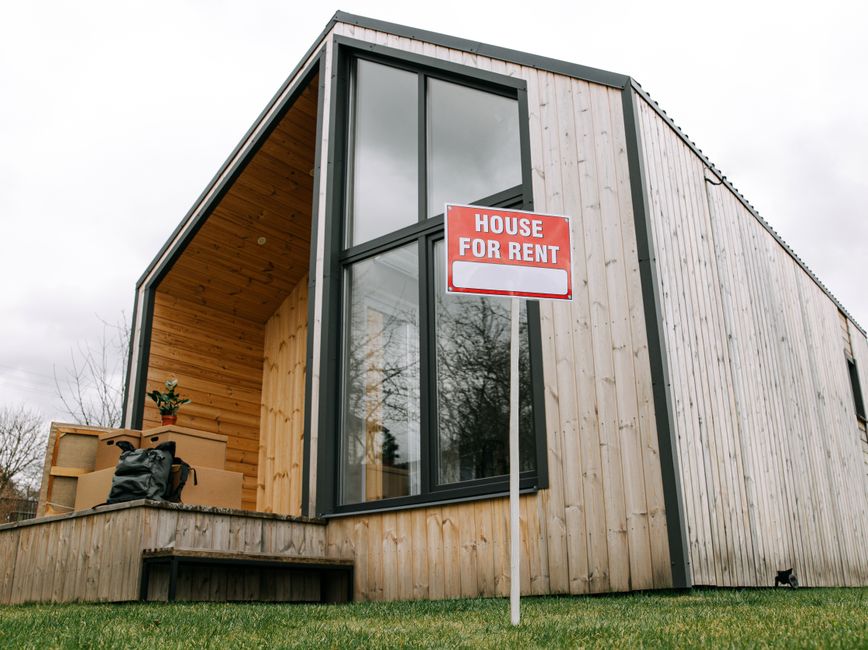
The build-to-rent sector has landed hard in Atlanta's outer ring. Invitation Homes and Tricon Residential both operate large single-family rental portfolios across Gwinnett and Cherokee counties, but the newer wave of purpose-built communities is a different animal. Unlike scattered-site rentals converted from foreclosures, these developments are master-planned from the permit stage with tenants in mind — wider hallways for furniture delivery, smart-home wiring as standard, and on-site property management offices rather than a 1-800 number in Phoenix.
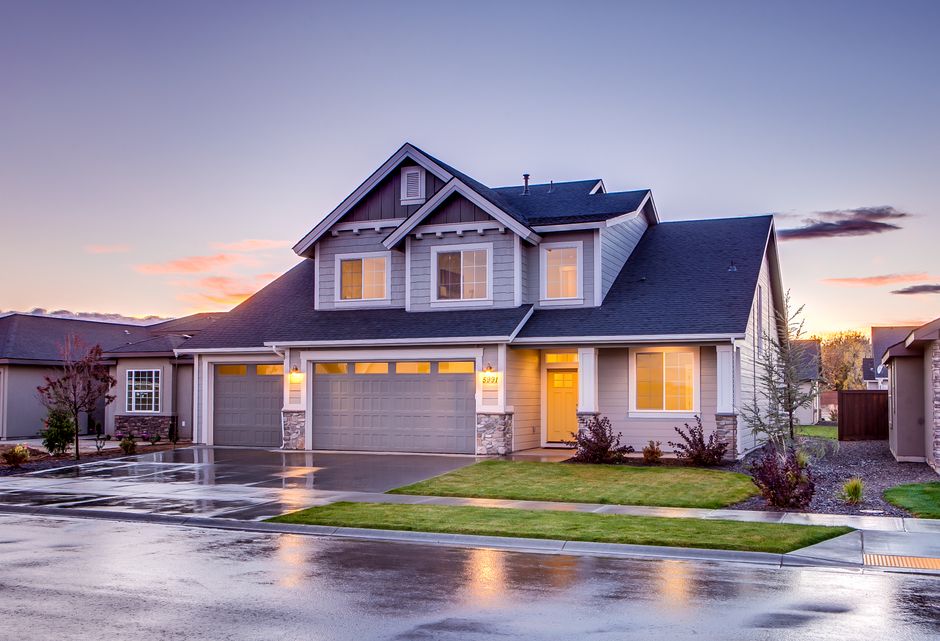
The Arden community in Cumming, developed by NexMetro Communities and opened in phases starting in late 2024, is a local example. The project sits off Post Road roughly 35 miles north of Downtown Atlanta and offers three-bedroom cottages starting at $2,150 per month. Residents get fenced yards, attached garages, and access to a resort-style pool and dog park — amenities that would cost significantly more to replicate through homeownership at current rates in Forsyth County, where the median sale price for a comparable single-family home now exceeds $490,000.
Closer in, the Westside Trail corridor near the Beltline's western segment has drawn developer interest for denser build-to-rent townhome products. Cortland, headquartered right here in Atlanta's Buckhead, has been active in the space, though the company's most recent local projects have leaned toward traditional multifamily. The distinction matters to tenants: a build-to-rent townhome offers direct-entry access and private outdoor space that a conventional apartment tower cannot replicate, at price points that typically run $200 to $400 per month below what ownership in the same ZIP code would cost monthly.
The Affordability Equation — and Its Limits
Renting versus buying in Atlanta is no longer a simple lifestyle question. Georgia State University's Fiscal Research Center published analysis in March 2026 showing that the Atlanta metro's price-to-rent ratio reached 22.4 — meaning the median home costs 22.4 times annual rent for a comparable unit. Historically, ratios above 20 favor renting on a pure monthly-cost basis, and anything above 22 suggests buyers are paying a significant premium for the option to build equity.
Build-to-rent homes do carry trade-offs. Tenants build no equity, cannot modify the property significantly, and face annual rent increases — NexMetro's Arden leases include provisions for increases tied to a CPI index, which averaged 3.1 percent in the Atlanta metro over the past 12 months. Lease terms also typically run 12 months, offering less long-term certainty than a fixed-rate mortgage for those who can access one.
For renters trying to decide whether a build-to-rent community makes sense, housing counselors at the Atlanta Neighborhood Development Partnership on John Wesley Dobbs Avenue recommend calculating total monthly ownership costs — mortgage, taxes, insurance, maintenance reserve — against the all-in rental figure. In most Intown Atlanta neighborhoods right now, that math favors renting for at least the next 18 to 24 months, unless a buyer can put down 25 percent or more and has strong job security. The build-to-rent product sits neatly in that gap, and developers clearly intend to hold it there.