tech
Atlanta Green Technology Efforts Surface Supply Risks and Equity Concerns Alongside Emissions Gains
City-backed projects target lower carbon output but encounter questions over mineral sourcing and community impacts.
2 min read
tech
City-backed projects target lower carbon output but encounter questions over mineral sourcing and community impacts.
2 min read
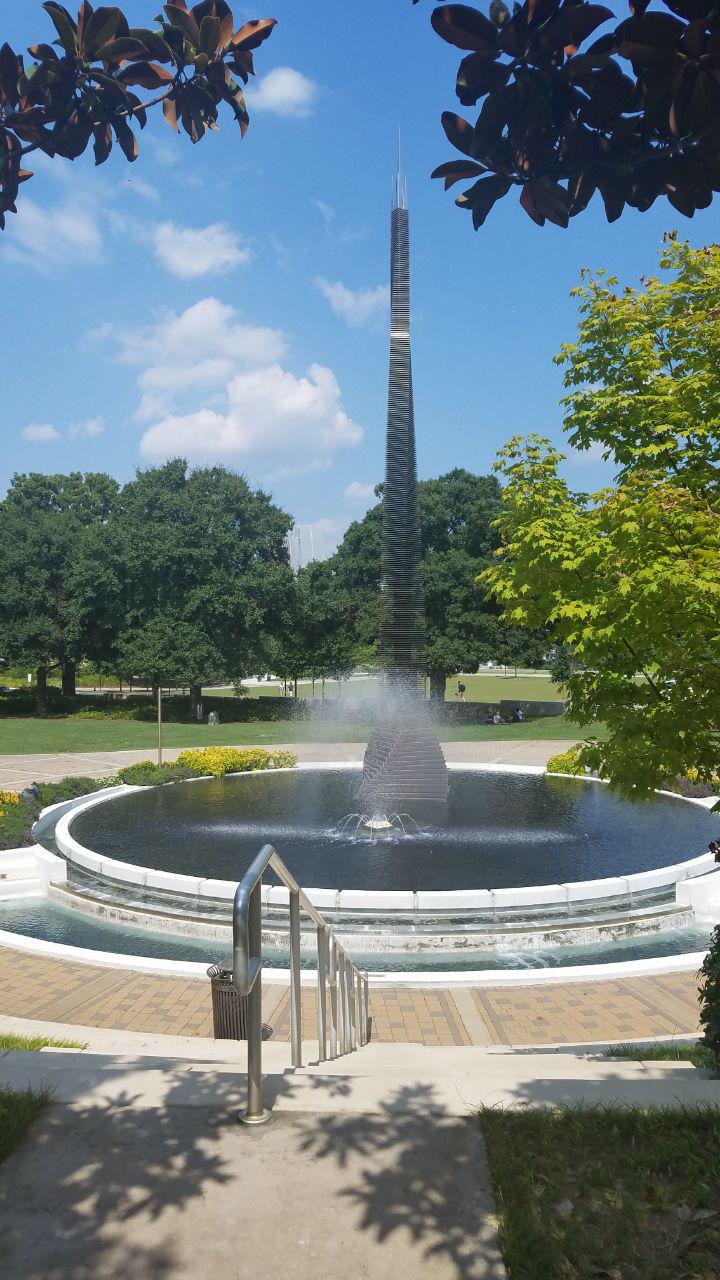
A $12 million solar microgrid installation at Georgia Tech's campus in Midtown Atlanta began operating in March 2026, cutting the university's grid electricity use by 18 percent while exposing gaps in domestic battery component availability.
The timing coincides with federal incentives under the 2022 Inflation Reduction Act that have accelerated clean energy spending across metro areas, yet global shortages of lithium and cobalt have pushed equipment lead times to nine months for several Atlanta contractors. Local utilities report that these delays have already increased project costs by an average of 14 percent compared with 2024 bids.
Georgia Tech's installation sits two blocks from Tech Square, where researchers are also evaluating second-life EV batteries for backup storage. Three miles south, the Atlanta BeltLine's Eastside Trail extension now includes 1.2 miles of solar-powered lighting and EV charging stations funded through a 2025 city bond measure. Both locations draw power from panels sourced partly from overseas suppliers that rely on mining practices under renewed international scrutiny.
City records show the BeltLine project used 340 panels manufactured in Vietnam and Malaysia, materials whose extraction has drawn criticism from labor groups for environmental damage at source sites. Georgia Tech's microgrid, by contrast, incorporates 22 percent domestic content after the university adjusted its procurement rules in late 2025.
A U.S. Department of Energy analysis released in April 2026 placed average residential solar-plus-storage prices in the Southeast at $3.85 per watt installed, down from $4.40 two years earlier. Atlanta households that qualify for local rebates through Georgia Power can reduce that figure by roughly $0.90 per watt, though installers on the city's west side note that permitting backlogs at the Fulton County planning office still stretch six weeks.
Property owners considering similar systems should first request a site assessment from one of the 11 certified contractors listed on the Atlanta Mayor's Office of Sustainability website and compare domestic-content options before signing contracts this summer.
About this article
Published by The Daily Atlanta
Spread the word
Daily brief
Free, in your inbox before 7am. Weekdays.